 Up to 35% Off!


Table of Contents
- 1 What an unclaimed listing actually costs you
- 2 Why business owners don't claim their listings on their own
- 3 What claiming actually changes
- 4 How the Directorist Claim Listing extension fixes this
- 5 What this looks like in practice
- 6 Frequent Asked Questions
- 7 Stop Leaving Unclaimed Listings as Dead Weight
Why Unclaimed Listings Are Costing Your Directory Money (And How to Fix It)
-

- Tips & Tricks Directory Niche
- 6 mins read
You built a directory. Listings are live, traffic shows up in your analytics, and the numbers look fine at a glance. But open ten of those listings at random and check the basics: is the phone number still active, is the address current, has anyone replied to the last review. On most directories, the answer is no.
Nobody owns that listing, so nobody notices when the number changes or the business closes. Nobody replies when a review comes in, good or bad. And nobody has paid you for that listing since the day it went live, if they ever did.
That’s an unclaimed listing. And every one still sitting like that on your directory is a business you haven’t gotten paid by yet.
By the end of this post, you’ll know exactly why that gap forms even when your directory looks busy, what it’s quietly costing you every month it stays open, and the specific setup that turns an unclaimed listing into a business with claim listing that pays you, checks in, and has a reason to stick around.
What an unclaimed listing actually costs you
It’s easy to think of an unclaimed listing as harmless, just a page with a business name, an address, and a phone number sitting quietly in your database. But every one of those pages is a missed connection.
No one is correcting the information if it goes out of date, so a visitor might call a disconnected number or show up to a closed location. No one is responding if a review comes in, good or bad. There’s no way for a visitor to know if the business behind the listing is even still real. And from your side as the directory owner, there’s no relationship there at all. You have no way to reach that business, no way to offer them a paid upgrade, and no way to turn a free listing into ongoing revenue.
Multiply that by however many unclaimed listings sit on your directory right now, and you start to see the real size of the gap. Every one of them is a business that hasn’t paid you or engaged with your platform yet, sitting right there in plain sight.
Why business owners don’t claim their listings on their own
Here’s the part that’s easy to miss: it’s usually not that businesses don’t care about their listing. It’s that most directories give them no reason to notice it and no easy way to act on it.
If there’s no visible prompt telling a business “this is your listing, here’s how to take control of it,” most owners will never think to look. And if the process to claim business listing pages is buried, confusing, or unclear about what they actually get, the ones who do notice will just move on. An unclaimed listing usually isn’t a sign that businesses don’t want to engage with your directory. It’s a sign that nothing on the page is asking them to.
What claiming actually changes
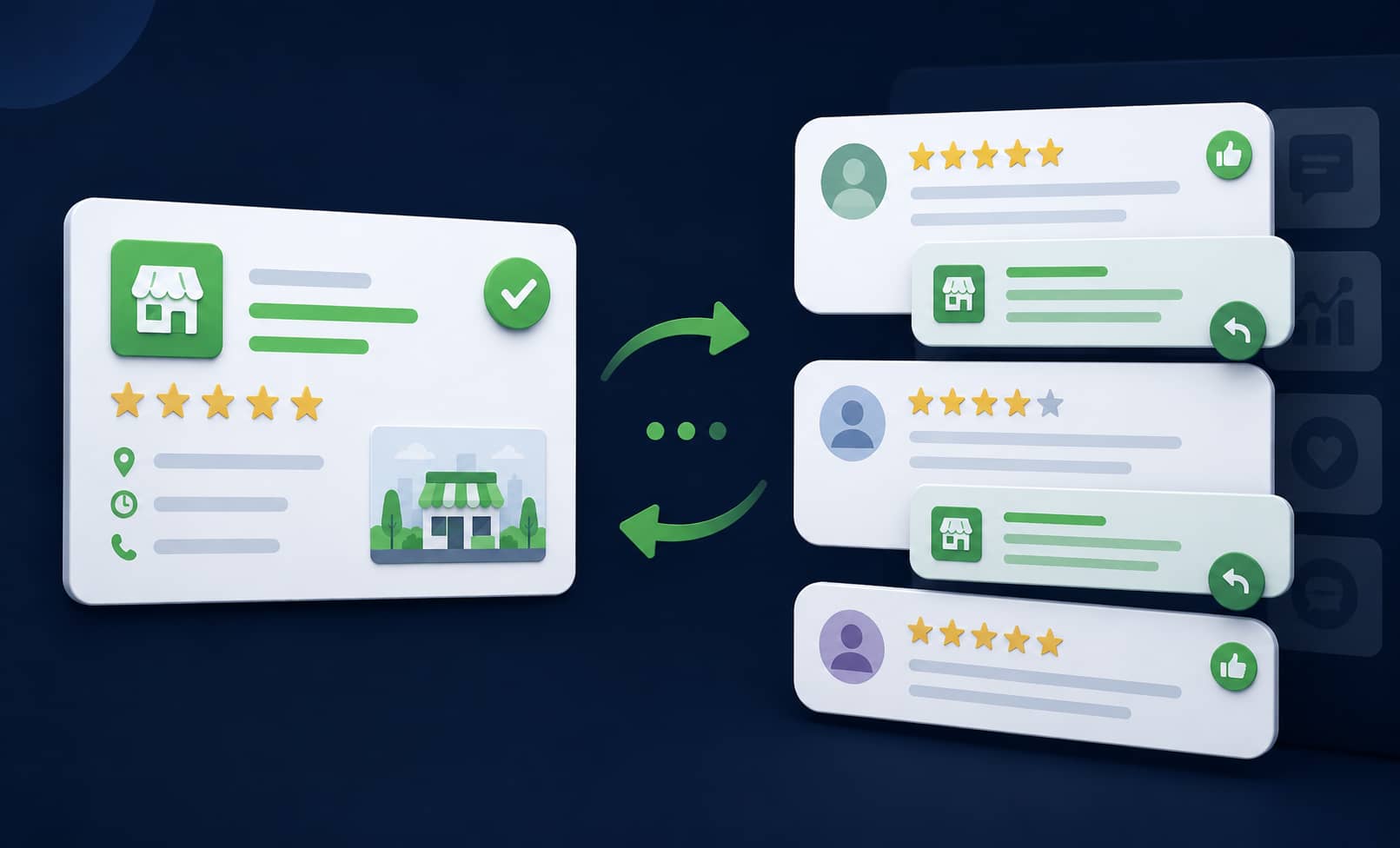
This is the shift that matters, and it’s the whole idea behind claim listing. A claimed listing isn’t just a database entry anymore. It’s an active relationship with a real business that has a reason to keep coming back.
Once a business claims their listing, they have a stake in keeping it accurate, because it now reflects on them directly. They have a reason to respond to reviews, because their name is attached. And they’re a business you can now reach, offer more to, and build a paying relationship with over time. That’s the real difference between a passive directory and one that actively grows.
How the Directorist Claim Listing extension fixes this
This is exactly what the Directorist Claim Listing extension is built to do. It’s an add-on for Directorist, the WordPress directory plugin, and it does the job with a few specific pieces that work together.
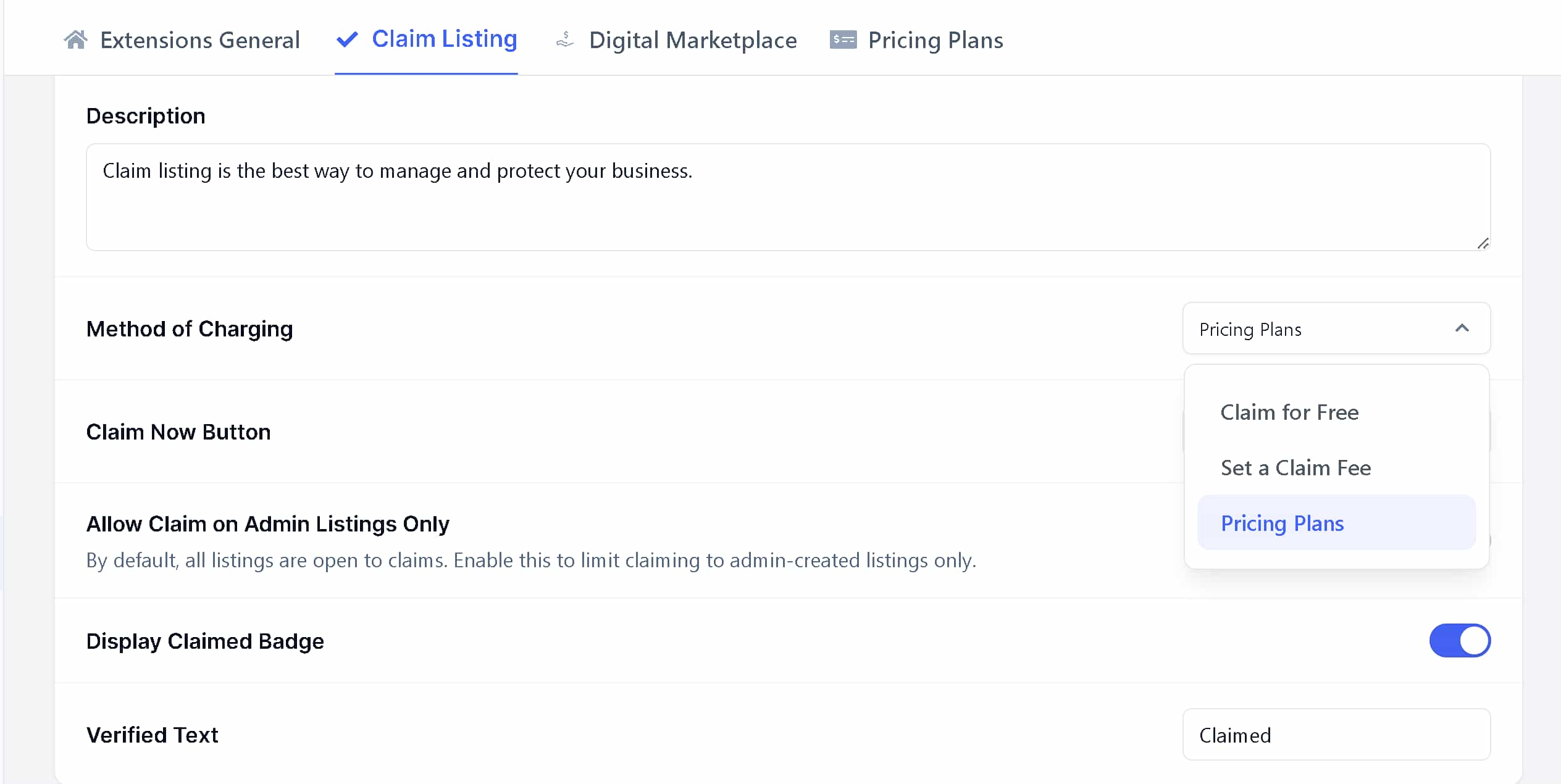
A visible claim button on every listing. The extension adds a “Claim Now” button and sidebar widget directly to your listings, so businesses don’t have to go looking for a way to take ownership. If they land on their listing, the option is right there.
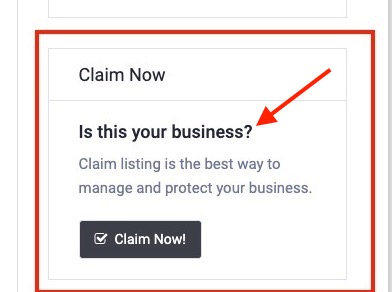
Pricing that fits how you want to run your directory. You can let businesses claim listings for free, charge a flat fee, or tie claiming into your existing Pricing Plans. That means claim listing isn’t locked into one business model. It can be a trust feature, a directory monetization feature, or both, depending on what your directory needs.
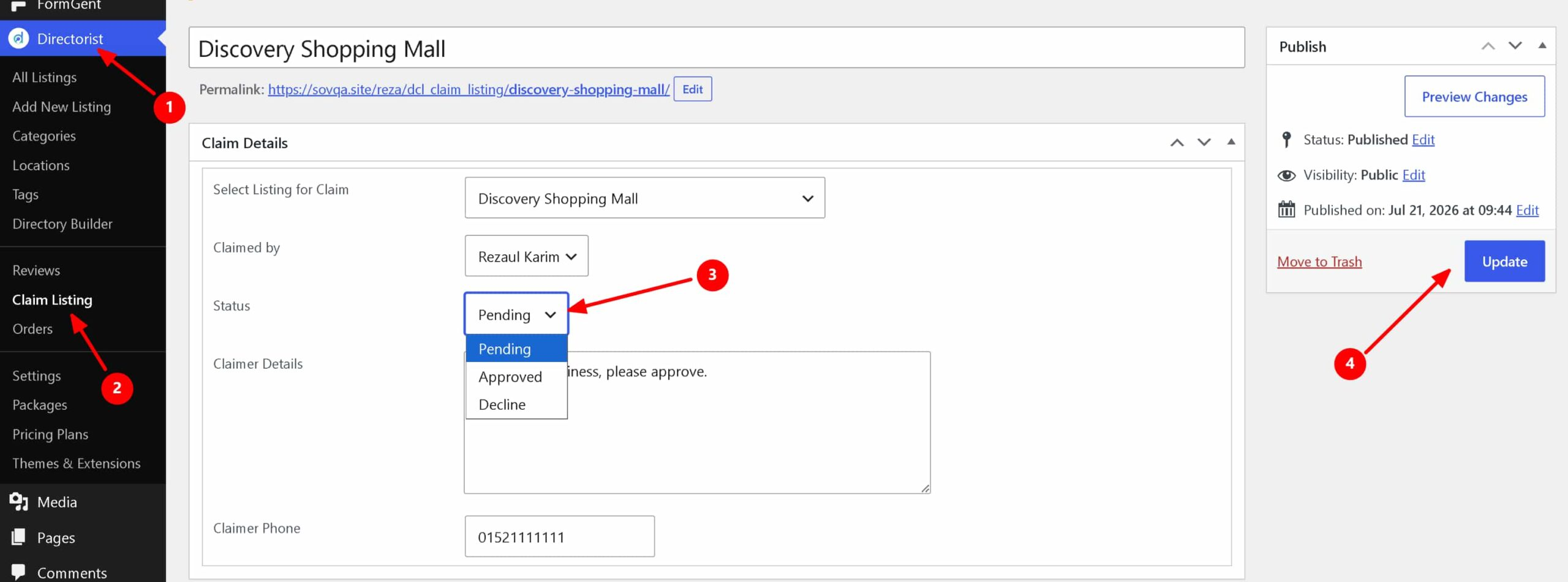
Admin approval, so you stay in control. Every claim goes through you before it’s approved. You get notified when a new claim comes in, and the business gets an email either way, whether their claim is approved or declined. Nothing gets verified without your say-so.
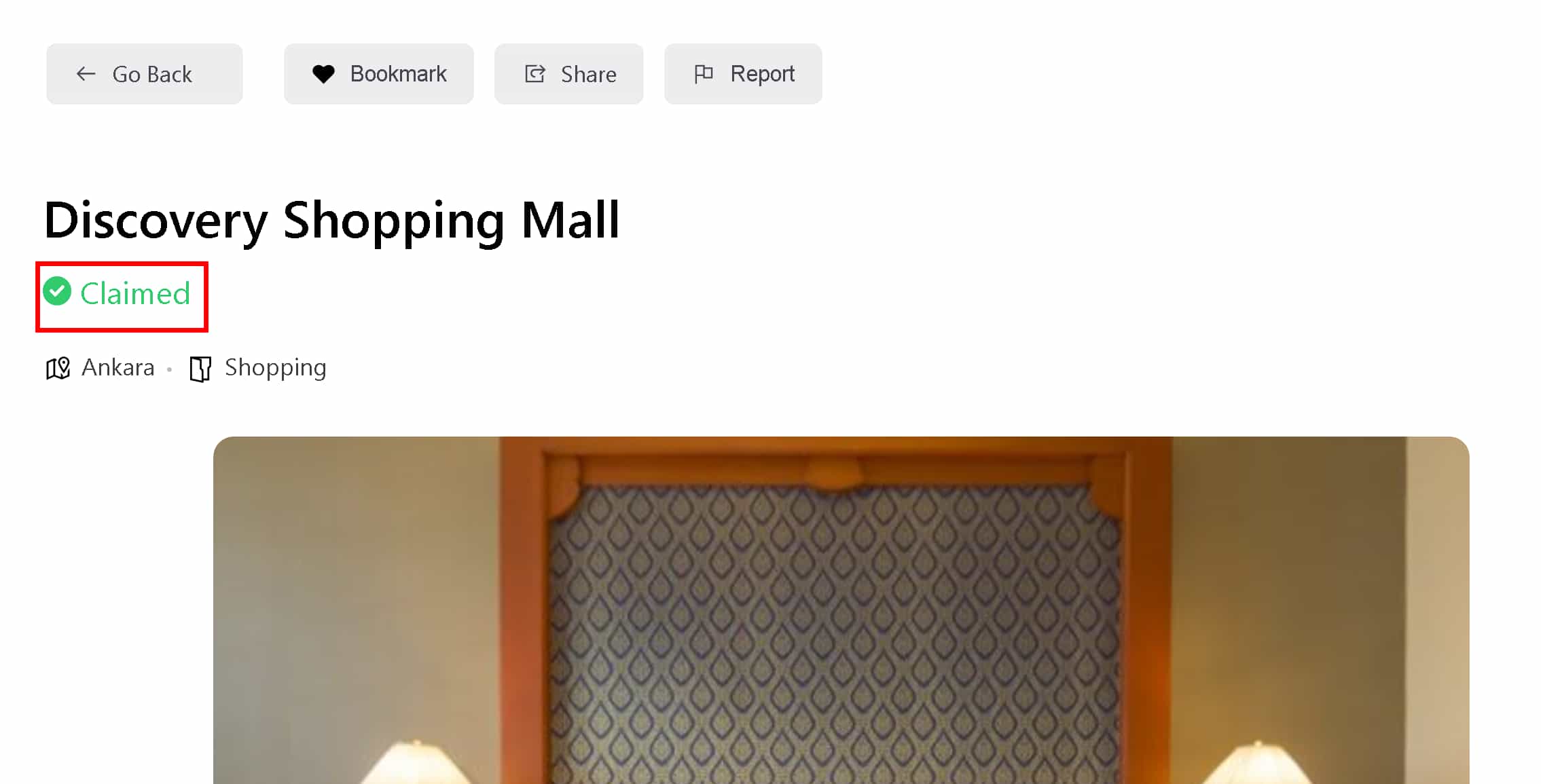
A visible “Claimed” badge. Once a claim is approved, the listing shows a verified badge that tells visitors this business has been checked and confirmed by its actual owner. That’s a trust signal for visitors and a reason for businesses to want the badge in the first place.
What this looks like in practice
Picture a business owner who finds their own listing on your directory for the first time. They notice the claim button, click it, and fill in a short form: their name, phone number, and a bit of detail confirming they’re really the owner. Depending on how you’ve set things up, they either claim it for free or pay a fee. You review the claim, approve it, and now their listing carries a Claimed badge.
From here, that business has a reason to keep their listing accurate, a reason to care about reviews, and a direct line back to you if you want to offer them more down the road, whether that’s a featured listing, a pricing plan upgrade, or anything else your directory monetizes.
That’s the whole shift in one example: from a listing nobody’s watching to a business that’s actually invested in your platform. It’s claim listing doing exactly what it’s meant to do.
Frequent Asked Questions
What does “claim listing” mean on a directory website?
Claim listing is the process that lets a real business owner take ownership of their listing on your directory, confirming they’re the actual business behind the page instead of leaving it as an unmanaged, unclaimed listing.
How do I let businesses claim their listing on my directory?
With the Directorist Claim Listing extension, a claim button and widget appear directly on each listing. A business owner clicks it, submits a short form, and you approve or decline the request from your admin dashboard. The claim listing documentation walks through the full setup.
Is claim listing free, or can I charge for it?
Both are possible. You can let businesses claim a business listing for free, charge a flat fee, or tie claiming into your existing Pricing Plans, whichever fits your directory monetization approach.
What does the verified badge actually do?
Once a claim is approved, the listing displays a verified badge. It tells visitors the business behind the listing has been checked and confirmed by its real owner, which builds trust with visitors and gives businesses a reason to want their listing claimed.
Does claim listing work with any WordPress directory plugin?
The Claim Listing extension is built specifically for Directorist, the WordPress directory plugin. It plugs directly into your existing listings, Pricing Plans, and dashboard without needing separate setup.
Stop Leaving Unclaimed Listings as Dead Weight
Every unclaimed listing on your directory is a business you haven’t reached yet. The Directorist Claim Listing extension gives them a clear, visible way to take ownership, and gives you a way to decide exactly how that turns into trust, engagement, or revenue for your directory.
If your directory has unclaimed listings sitting idle right now, that’s the gap this extension is built to close. Setting up claim listing today is a small change that pays off with every business that takes ownership of their page.


Rezaul Karim
Rezaul Karim is a Digital Marketer and Content Strategist at wpWax, the team behind Directorist — trusted by 20,000+ directory websites worldwide. With 6+ years of experience in SEO-driven content and WordPress plugin marketing, he provides data-backed insights on building high-authority directory businesses. From optimizing search visibility to streamlining directory user experiences, Rezaul focuses on practical solutions that drive impressions and conversions. When he isn't auditing site performance or exploring the latest AI-integrated marketing tools, he is an avid reader and advocate for sustainable digital growth.


Leave a Reply
You must be logged in to post a comment.